The ocean mist, the scent of cedar, and the steady rhythm of an adze have shaped one of the world’s most distinctive visual languages: Northwest Coast carving. Rooted in the territories of Coast Salish, Haida, Tlingit, Tsimshian, Heiltsuk, Kwakwaka’wakw, Nuu-chah-nulth and other Indigenous Nations, this artform carries family histories, community identities, and teachings across generations. Today, the tradition thrives in community longhouses, studios, and public spaces from Alaska to the Salish Sea—embracing innovation while honoring ancestral knowledge. For collectors, architects, and culture-bearers, understanding the forms, materials, and respectful practices behind these works opens the door to meaningful connections with art that is both beautiful and deeply responsible.
Origins, Forms, and Meanings in Northwest Coast Carving
The roots of carving on the Northwest Coast stretch back thousands of years, bound to the lifeways of shoreline and forest. Cedar—especially Western red cedar and yellow cedar—has long been called the “tree of life” for its integral role in housing, ceremony, and technology. Artists transform cedar into house posts, memorial and frontal poles, masks, feast bowls, bentwood boxes, rattles, paddles, and welcoming figures. Each piece exists within living systems of kinship and responsibility, encoding family crests, origin narratives, and community roles. Rather than “decorating” objects, design clarifies identity and meaning, making these works vessels for relationships and law.
Across Nations, regional styles and protocols vary. In northern regions such as Haida, Tlingit, and Tsimshian, the visual grammar is often described as formline—fluid primary and secondary lines that shape ovoids, U-forms, and S-forms to define eyes, joints, and musculature. Kwakwaka’wakw carving may accentuate powerful sculptural volumes and transformational masks used in dance. On the southern coast, Coast Salish artists often emphasize negative space, rhythm, crescents, and trigons; works can appear spare yet incredibly dynamic, inviting viewers to read movement in the intervals as much as in the carved lines. These approaches are not rigid boxes, but evolving languages that artists speak with immense fluency and creativity.
Colonial disruptions—including the potlatch ban and other oppressive policies—attempted to silence these practices. Yet communities maintained teachings, and a powerful renaissance in the 20th century renewed public carving and mentorship. Today, poles rise again in village sites and city plazas, and house posts greet visitors at civic buildings from Vancouver to White Rock and South Surrey. Whether a small cedar panel or a monumental pole, each work honors intergenerational knowledge. The art is not merely “about the past”; it is a present-tense expression of sovereignty, place, and identity—one reason why authenticity, proper attribution, and cultural permissions remain essential.
Materials, Tools, and Techniques: From Cedar Log to Living Artwork
The journey from log to artwork begins with careful selection of species and grain. Western red cedar is prized for its straight grain, aroma, and durability outdoors; yellow cedar (Nootka cypress) is denser, fine-grained, and excellent for crisp detail and moisture resistance. Alder, maple, and yew also appear in masks, paddles, and utilitarian items, while inlays may feature abalone shell, copper, or opercula. Respect for materials is foundational—many artists follow cultural protocols for harvest and give thanks for the tree’s life, acknowledging the roles of land and water in sustaining craft.
Traditional toolkits included stone adzes, bone and antler points, and copper blades. Contemporary carvers often rough out forms with chainsaws or modern adzes, then refine with elbow and straight adzes, gouges, and the versatile crooked knife. The tactile control of hand tools produces subtle facets and planes that animate light across the surface. Shaping is strategic: major volumes are established first, then secondary and tertiary details lock into place. In northern traditions, maintaining the integrity of the formline is paramount, ensuring that thickness, taper, and continuity give life to figures and crests. In Coast Salish work, balance between carved elements and open space creates a resonant visual rhythm.
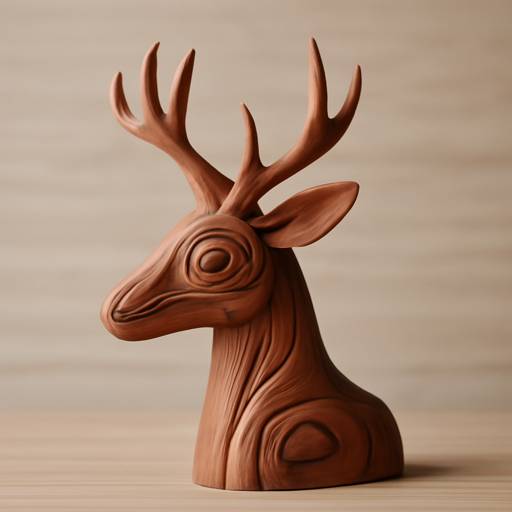
Surface finishing ranges from burnishing and knife-finishing to careful sanding that respects tool marks. Historically, paints derived from mineral and organic pigments; today many artists choose acrylics for colorfastness and weather resistance while still honoring traditional palettes—reds, blacks, and the luminous green-blue associated with copper and abalone. For outdoor works, breathable finishes that allow cedar to shed moisture help longevity. Indoor carvings benefit from stable humidity and indirect light. Best practices for care include gentle dusting with a soft brush, avoiding harsh cleaners, and consulting the artist or a conservator before oiling. When properly sited and maintained, cedar sculptures age with dignity, developing a silver-gray patina outdoors and retaining the warmth of grain indoors—each pathway a valid aesthetic choice grounded in community preference and the work’s intended purpose.
Collecting with Respect: Authenticity, Local Connections, and Commissioning
Collecting or commissioning authentic Northwest Coast carvings is an opportunity to support living cultures and acquire artworks with enduring value. The first principle is respect: purchase from Indigenous artists, families, and reputable Indigenous-owned galleries and trading posts. Ask about provenance, the artist’s Nation, and whether any specific permissions or cultural guidelines apply. Quality carving carries the maker’s knowledge—clean toolwork, balanced design, and wood thoughtfully selected for the scale and purpose of the piece. Documentation, including artist bios and certificates, helps preserve cultural context and future valuation.
Local connections matter. In Semiahmoo territory—home to communities around White Rock and South Surrey—public art and community events offer ways to meet artists, learn protocols, and see how carvings relate to place. Commissioning a welcome figure for a school, a house post for a lobby, or a small panel for a family gift involves a collaborative process: sharing site conditions, discussing stories appropriate to tell publicly, agreeing on scale and budget, and scheduling time for the artist’s cultural considerations and studio workflow. For coastal businesses and institutions, working with artists from the local Nations honors territory and strengthens relationships.
Consider a few real-world scenarios. A family renovating a White Rock home commissions a Coast Salish cedar panel featuring salmon and crescent motifs—respecting local waters and the family’s connection to them. A community center in South Surrey installs a house post carved in dialogue with local teachings, placed in a lobby with correct orientation and interpretive text approved by the artist. A gift shop serving visitors along the Salish Sea offers small, signed cedar masks and bentwood boxes sourced at fair prices from artists and craftspeople, ensuring the revenue supports communities rather than mass-produced imitations. For collectors at a distance, trusted online sources provide access while maintaining integrity and artist credit; exploring northwest coast carving from a reputable Indigenous-run venue ensures authenticity, knowledgeable guidance, and ethical purchasing.
Care and compliance also deserve attention. International shipping may involve regulations around materials like abalone shell or marine mammal products, so it is wise to consult sellers about documentation. For large outdoor works, coordinate site preparation and safe installation; cedar poles and posts require proper drainage at the base, airflow, and periodic assessment to prevent moisture traps. Indoors, give carvings breathing room away from heat sources and direct sunlight, and document the artist’s care recommendations. Above all, understand that some designs or figures carry ceremonial significance and may not be appropriate for general display or reproduction; experienced artists and Indigenous-run shops will provide guidance on what is culturally suitable.
Collecting with respect means investing in relationships as much as in objects. The strongest collections—whether a single mask in a home or a suite of panels in a civic building—demonstrate transparency about source, clarity about meaning, and stewardship that honors community. In doing so, every piece becomes more than décor: it stands as a conversation with land and lineage, a testament to the skill, innovation, and sovereignty that define Northwest Coast carving today.

Cardiff linguist now subtitling Bollywood films in Mumbai. Tamsin riffs on Welsh consonant shifts, Indian rail network history, and mindful email habits. She trains rescue greyhounds via video call and collects bilingual puns.