Conversations about men’s mental health have never been more important. Many men shoulder silent burdens—stress at work, financial pressure, family responsibilities, trauma history—while cultural expectations encourage them to “tough it out.” Awareness months help bring these realities into view, but the ultimate goal is to convert awareness into action: open dialogue, earlier support, and personalized care that actually improves daily life. With the right resources and community support, more men can recognize symptoms, reach out, and move toward meaningful recovery.
Why Men’s Mental Health Month Matters—and When It Happens
Men experience depression, anxiety, substance use, and trauma-related conditions at significant rates, yet they are less likely to seek help. In the United States and many other countries, men die by suicide far more often than women—a painful signal of unmet needs and the urgency to address them. The reasons are complex. Social norms that reward self-reliance and minimize emotional expression can make it harder for men to identify distress as something treatable. Misconceptions about therapy, limited culturally responsive care, and practical barriers like scheduling or cost can also keep support out of reach.
That is why observances dedicated to men’s mental well-being matter. Awareness efforts peak at different points in the year, highlighting the topic from multiple angles. June is Men’s Health Month in the United States, and mental wellness is a major part of that conversation. November brings global attention through Movember and International Men’s Day (November 19), both of which emphasize mental health, suicide prevention, and help-seeking. Instead of a single date to remember, think of these campaigns as a year-round nudge: it’s always the right time to check in with yourself or someone you care about.
Awareness months work best when they lead to practical steps. Employers can share resources or host talks that normalize help-seeking. Faith and community groups can highlight local supports. Families can use the moment to ask honest questions at dinner or on a weekend walk. Clinicians and care teams can spotlight evidence-based tools tailored for men, from brief therapy options to skills-based groups and telehealth. For more background on key observances, dates, and ways to get involved, explore mens mental health month and consider how to turn awareness into everyday support.
Ultimately, the value of any campaign lies in connection: making it easier for men to feel seen, speak openly, and access care that respects their goals and circumstances. When that happens, the benefits ripple outward—to partners, children, teams at work, and the wider community.
Recognizing the Signs and Starting the Conversation
Symptoms don’t always look like the stereotypes. While sadness and worry matter, men often show distress through shifts in energy, behavior, or physical health. Watch for persistent irritability or anger, withdrawal from hobbies or friends, heavier alcohol or substance use, changes in sleep or appetite, unexplained headaches or stomach issues, trouble focusing, or an intensifying “edge” that makes daily tasks feel harder. For some, distress shows up as restlessness and overwork; for others, it’s emotional numbness, hopelessness, or thoughts of self-harm. Any of these shifts—especially when they last two weeks or more—deserve attention and care.
Certain life stages and roles can heighten risk. New fathers can experience postpartum depression and anxiety too, often overlooked amid changing routines and sleep deprivation. College-age men may struggle with independence, identity, and pressure to perform. Veterans, first responders, and those exposed to trauma may carry layered stress that intensifies over time. Men in midlife can face career uncertainty, caregiving responsibilities, and health changes. And for men of color, LGBTQ+ men, and immigrants, the weight of discrimination or navigating multiple cultures can add to the mental load while making safe, culturally attuned care harder to find.
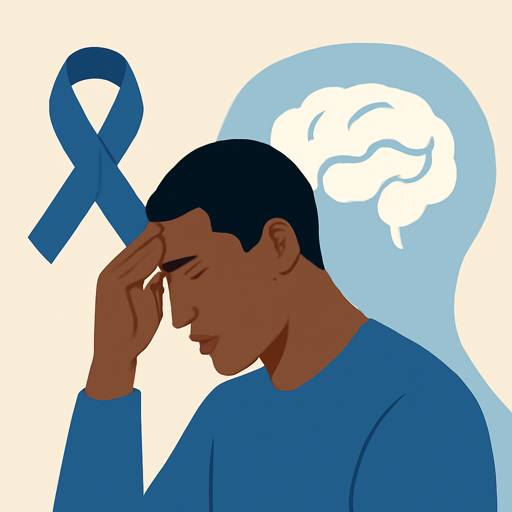
If you’re worried about someone, start small and specific. Choose a private moment, name what you observe (“I’ve noticed you’re not sleeping and you’ve stopped meeting up after work”), and ask an open question (“How have you been holding up lately?”). Then listen—without rushing in to fix things. Validate what you hear (“That sounds exhausting”), and ask what support would help right now. Sometimes it’s practical—time to rest, help with childcare, or a calmer schedule. Sometimes it’s professional—a primary care check-in, a brief screening for depression or anxiety, or a first therapy appointment. Suggest a next step and offer to go along or help with scheduling. If you’re concerned about immediate safety, call 988 (in the U.S.) or local emergency services.
Self-check is just as important. If you’re noticing patterns that worry you, consider taking a brief screening tool, reflecting on what has changed in the past month, and setting a simple plan: talk to a trusted person, schedule a consult with a therapist, and make one doable change to your routine—like a 10-minute daily walk or turning off screens 30 minutes before bed. Small, consistent actions often make the biggest difference, especially when paired with professional support.
From Awareness to Care: Evidence-Based Support and Local Pathways
Effective care for men is practical, collaborative, and focused on measurable progress. Short-term, skills-based therapies such as Cognitive Behavioral Therapy (CBT) and Behavioral Activation help reduce depression and anxiety by changing unhelpful thought patterns and building routines that restore energy and purpose. Acceptance and Commitment Therapy (ACT) can ease the struggle with difficult emotions while reconnecting men to values like being present with family or leading with integrity at work. For trauma, EMDR and trauma-focused therapies support safe processing of memories that keep the nervous system on high alert.
When substance use becomes a coping tool, Motivational Interviewing helps clarify goals without judgment, while medication-supported care for alcohol or opioid use can lower cravings and improve stability. Psychiatric medications for mood or anxiety, when appropriate, are often most effective when combined with therapy and lifestyle shifts. Integrative approaches—sleep hygiene, structured exercise, nutrition, and mindfulness—build day-to-day resilience and can be tailored to fit a busy schedule. Couple or family sessions may also strengthen communication, distribute responsibilities more fairly, and reduce conflict that fuels symptoms.
Care can be delivered flexibly. Many men do well with weekly outpatient therapy—virtual or in-person—focused on targeted goals such as reducing panic, improving sleep, or cutting back on alcohol. Intensive Outpatient Programs (IOPs) offer a stronger dose of support several days per week without stepping away from work or family. Skills groups focused on stress management, anger regulation, or parenting provide practical tools and peer connection. A coordinated team—therapist, psychiatric provider, and care manager—can make treatment feel straightforward rather than overwhelming, with a single plan and clear milestones.
Real-world scenarios show what progress looks like. A new father, anxious and sleepless, learns CBT-I (cognitive behavioral strategies for insomnia) and ACT-based skills, has one brief couples session to realign routines, and sees energy and patience return within weeks. A mid-career professional overwhelmed by deadlines uses CBT to set realistic boundaries, practices two 5-minute mindfulness check-ins per day, and reduces after-hours alcohol with motivational support—regaining focus and better sleep. A veteran living with trauma and chronic pain combines EMDR, pain-informed coping strategies, and medication management, gradually restoring a sense of control and reconnecting with community.
Finding the right fit is crucial. Look for clinicians who personalize care, explain options clearly, and track outcomes. Practicalities matter, too: evening or early-morning appointments, telehealth access, and coordination with primary care can remove common barriers. Employers’ assistance programs may cover initial sessions, while most clinics help verify insurance and explore affordable options. Above all, the best programs treat men as partners in their own recovery—honoring strengths, respecting privacy, and building a plan that makes life tangibly better at home, at work, and in the community.
Awareness months open the door; thoughtful, evidence-based care keeps it open. With focused support, men can move beyond coping to genuine change—reclaiming sleep, connection, and purpose. That is the heart of strong mental health: not flawlessness, but the steady capacity to meet life’s challenges with tools, support, and hope.

Cardiff linguist now subtitling Bollywood films in Mumbai. Tamsin riffs on Welsh consonant shifts, Indian rail network history, and mindful email habits. She trains rescue greyhounds via video call and collects bilingual puns.