The Maine Coon is a majestic, people-oriented breed prized for size, intelligence, and a luxuriously shaggy coat. In Texas—where demand is strong in cities like Dallas–Fort Worth, Houston, Austin, and San Antonio—pricing can feel confusing if you’re comparing ads, breeder websites, and social media groups. Understanding what truly influences the Maine Coon price in Texas helps you identify ethical breeders, avoid costly mistakes, and plan a realistic budget from deposit to homecoming and beyond. With careful research into pedigree, health testing, and what’s included in a kitten package, you can secure a well-socialized, healthy companion that fits your lifestyle and expectations.
What Actually Influences the Maine Coon Price in Texas?
Several key factors shape the Maine Coon price across the Lone Star State, and the first is pedigree. Kittens from champion and show-winning European lines generally command higher prices because those lines are curated over generations for structure, coat quality, type, and temperament. When a breeder preserves elite bloodlines and follows international standards—such as those recognized by organizations like FIFe—it requires significant investment in travel, showing, genetic diversity planning, and selection. That cumulative effort builds predictability in looks and temperament, which the market values.
Health screening is another major driver. Responsible catteries DNA-test breeding cats for hereditary conditions like HCM (hypertrophic cardiomyopathy), SMA (spinal muscular atrophy), and PKDef (pyruvate kinase deficiency). Many also use echocardiograms for HCM and screen hips to reduce the risk of dysplasia. These diagnostics are neither cheap nor optional for ethical programs. When you pay for a kitten backed by real health testing and a written guarantee, you’re effectively investing in long-term wellness and fewer surprises down the line.
Kitten quality and purpose matter, too. Pet-quality kittens—those ideal for companionship—are priced lower than show-potential kittens that exhibit closer-to-standard structure, bone, and coat. Breeding rights are the most expensive and are rarely available except to established, compatible programs. Additionally, color and pattern can influence value. While personality trumps aesthetics, rarer shades (such as silver and smoke) and certain tabby expressions can draw added interest and, along with robust structure and type, slightly higher pricing.
Geography and demand within Texas also play a role. High-demand metros like DFW and Austin often have waitlists, which can support higher pricing compared to rural areas. Transport logistics, whether ground delivery across Texas or a flight nanny, add to final costs. Finally, a cattery’s husbandry model—raising kittens in-home for socialization versus outbuildings—can impact both temperament and price. In-home rearing, early handling, and structured socialization take time and attention, which translate into better-adjusted kittens and, understandably, higher value.
Typical Cost Ranges in Texas and What’s Included in the Price
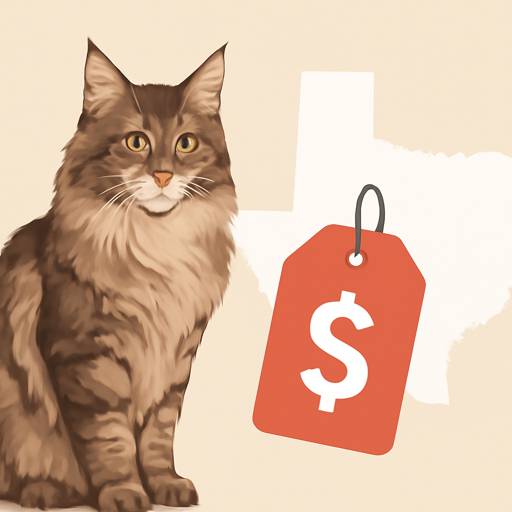
For pet-quality kittens from reputable Texas breeders, expect a range roughly between $1,800 and $3,500, with many landing in the $2,200–$3,200 zone. Show-potential kittens often begin around $3,500 and may climb to $5,500 or more when pedigree depth, structure, and type are exceptional. Breeding rights, when offered at all, can extend from $5,000 to $8,500+ depending on the pairing, titles, and health screening benchmarks. Retired adults sometimes become available for $500–$1,500, providing an excellent option for families who prefer a fully developed personality and a calmer energy profile.
Beyond the sticker price, review what’s included. Many Texas catteries build value through comprehensive kitten packages: age-appropriate vaccinations and deworming, a veterinary health exam, microchipping, registration papers (often provided upon proof of spay/neuter for pet homes), and a written health guarantee that covers genetic issues for one to three years. Reputable breeders also maintain a clear contract, discuss spay/neuter policies, and provide grooming and nutrition guidance tailored to the breed’s needs. Some include starter kits with food samples, toys, and familiar-scented items to ease the transition to your home.
Deposits are typical—commonly $300–$500—and non-refundable but applied to the final price. Budget for applicable state and local taxes, which do apply to pet sales in Texas. If you need transport, ground delivery within Texas might range from $250 to $600 depending on distance and scheduling; a flight nanny service can range from $450 to $900+ depending on route and season. Ethical breeders avoid cargo shipping and prioritize safe, low-stress transit options.
Availability and timing influence final cost and experience. In peak seasons or when a litter has an unusually strong combination of traits—impressive bone, aligned type, and highly social temperaments—prices may lean higher. Kittens should typically go home around 12–14 weeks to ensure proper social development, which means more time invested by the breeder in handling, litter training, and desensitization to household life. While you might find lower prices online, especially in informal social groups, sub-$1,000 offers for purebred Maine Coons are a strong red flag, often associated with poor health oversight, misrepresentation, or outright scams. Verified resources such as a trusted cattery’s site—like this reference to Maine coon price Texas—provide clarity on realistic ranges and what ethical programs include.
Budgeting Beyond the Purchase—Texas Lifestyle, Care, and Red Flags to Avoid
Planning for a Maine Coon means looking past the initial price. High-quality nutrition for a large, slow-maturing breed can average $50–$100 per month, depending on brand, wet/dry mix, and supplementation. Litter costs generally run $20–$40 monthly. Add grooming tools, since those magnificent coats benefit from routine combing to reduce tangles and shedding. While professional grooming isn’t mandatory, it’s an option some owners choose seasonally, and it can add $60–$120 per session depending on services. Annual checkups and core vaccines vary by clinic and region but plan for a few hundred dollars, plus heartworm prevention if your veterinarian recommends it for indoor-outdoor situations. Pet insurance in Texas often ranges from $30–$60 per month for accident and illness policies, which can help mitigate unexpected veterinary bills over the cat’s lifetime.
Consider Texas-specific lifestyle factors. Maine Coons adapt well to the state’s climate if you manage heat proactively. Indoor life with reliable air conditioning, fresh water sources (many love drinking fountains), and access to cool, shaded spots helps them thrive year-round. Large cat trees, sturdy scratching posts, and horizontal scratchers are great investments for this athletic, intelligent breed. If you rent, factor in pet deposits or monthly pet fees, which vary widely by city and property management. Travel distances between Texas cities can be substantial; if you anticipate frequent road trips, invest in a large, crash-tested carrier and acclimate your kitten gradually with short drives and positive reinforcement.
When choosing a breeder, prioritize transparency and ethics. Red flags include no willingness to video-call or show kittens live, no veterinary records, reluctance to discuss DNA and heart screening details, or pressure for immediate payment via non-secure methods. Ethical breeders welcome thoughtful questions about socialization practices, enrichment in the home environment, and how kittens are matched to families based on temperament. They should provide a detailed contract, clear health guarantee, and lifetime support. Registration with recognized organizations like TICA or CFA matters, but equally important is the breeding program’s health philosophy—selecting for strong structure and consistent temperament, not just looks. Programs that align with rigorous standards, as seen in top European show lines and FIFe-influenced breeding, typically produce kittens that are confident, affectionate, and beautifully constructed.
Real-world comparisons can be instructive. Consider two families in Austin evaluating vastly different offers: one at $2,400 from a cattery with DNA and echo-tested parents, home-raised kittens, and a multi-year genetic guarantee; the other at $1,200 with limited documentation, no contract, and an offer to “meet in a parking lot.” While the lower price is tempting, hidden costs—respiratory infections, parasites, or undiagnosed hereditary issues—can quickly exceed the initial savings. By focusing on verified health screening, transparent contracts, and in-home socialization, you not only protect your investment but also set your future companion up for a healthy, confident start. In a state as large and competitive as Texas, the best value isn’t the lowest price; it’s the clearest, most ethical path to bringing home a well-bred Maine Coon that will share your life for many years.

Cardiff linguist now subtitling Bollywood films in Mumbai. Tamsin riffs on Welsh consonant shifts, Indian rail network history, and mindful email habits. She trains rescue greyhounds via video call and collects bilingual puns.