Signs Your HVAC System Needs Repair—and What to Do Next
When a heating or cooling system starts struggling, the warning signs often arrive before a complete breakdown. Catching issues early can protect comfort, reduce energy waste, and prevent expensive component failures. In the Upstate’s humid summers and chilly winters, a responsive approach to HVAC repair keeps homes in Greenville, Spartanburg, Anderson, and surrounding communities comfortable no matter the forecast.
Common symptoms include uneven temperatures from room to room, weak airflow from supply vents, or a system that runs longer than normal to reach the setpoint. Unusual noises—rattling, grinding, squealing, or banging—can signal loose hardware, a failing blower motor, or a compromised compressor. Spikes in energy bills without a clear cause often mean something is forcing the equipment to work harder than it should, like a dirty coil, restricted filter, or low refrigerant charge. A burning or musty smell when the system starts points to dust on heat strips, microbial growth in the air handler, or an electrical issue that deserves immediate attention. Excess indoor humidity during summer, short cycling (frequent on/off), ice on the refrigerant lines, and water around the indoor unit are also red flags that require prompt diagnosis.
Before calling a pro, homeowners can take a few safe steps. Replace or clean the air filter if it’s dirty—restricted filters are a top cause of poor airflow, coil freeze-ups, and short cycling. Confirm the thermostat is on the correct mode and temperature, then check the electrical panel for a tripped breaker. Outside, remove leaves and debris from around the condenser and make sure there’s at least two feet of clearance on all sides. If the system doesn’t reset or continues to struggle, it’s time to schedule expert service.
A professional will locate the root cause rather than simply treat the symptom, which is essential for long-term reliability. Whether it’s a failing capacitor, compromised contactor, clogged condensate line, refrigerant leak, or ductwork issue, trained technicians resolve the underlying problem and verify that the full system operates as designed. For quick scheduling and trusted local service, homeowners can book HVAC Repair with a team that understands Upstate homes and climate demands.
Local conditions influence wear and tear. Pollen and dust can load filters and coils faster in the spring; intense thunderstorms may cause power dips that stress capacitors; and persistent humidity puts extra pressure on drainage systems and indoor air quality. Proactive attention—especially at the first sign of trouble—helps prevent those small issues from becoming late-night emergencies.
What a Professional HVAC Technician Checks During a Repair Visit
Effective HVAC repair starts with precise diagnostics. An experienced technician follows a systematic process to pinpoint the problem and verify safe operation. For cooling issues, that means measuring refrigerant pressures and temperatures to calculate superheat and subcooling—key indicators that reveal undercharge, overcharge, or hidden restrictions. They’ll examine the outdoor condenser fan, compressor, and electrical components like capacitors and contactors, confirming proper microfarad readings and secure connections. Inside, they test blower motor performance, inspect the evaporator coil for dirt or ice, and clear the condensate drain or safety float switches that can shut the system down to prevent water damage.
Heating diagnostics depend on the system type. For gas furnaces, a pro checks ignition sequence, verifies gas pressure, confirms correct flame sensor operation, and examines the heat exchanger for cracks that could lead to dangerous carbon monoxide leaks. For heat pumps, they verify reversing valve function, defrost cycle timing, and auxiliary heat engagement during cold snaps. Throughout, technicians measure static pressure in the duct system to assess airflow health—excessive pressure can indicate duct restrictions, closed dampers, or undersized returns that stress components and increase noise.
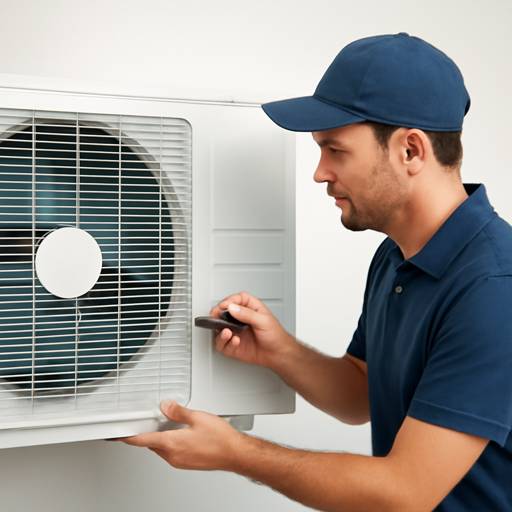
Electrical safety and controls are part of every visit. Pros evaluate thermostat calibration and wiring, tighten lugs at the disconnect, and perform a thorough amp-draw analysis to ensure motors aren’t overworking. They’ll also examine the system’s startup and shutdown cycles to confirm the sequence meets manufacturer specifications. When repairs are needed, a reputable team explains the issue in clear terms, shows the failed parts if possible, and presents options that outline repair benefits, potential risks of deferring, and any available part warranties.
Real-world example: During a July heat wave in Greenville, a homeowner noticed warm air and rising humidity indoors. The technician found a clogged condensate line had tripped the float switch, shutting off the compressor to prevent an overflow. The pro flushed the drain, cleaned the coil, replaced a weak capacitor, and verified correct refrigerant charge. The system resumed cooling, indoor humidity dropped back to comfortable levels, and energy use normalized—proof that correct diagnosis plus targeted repair restores performance quickly and safely.
Thorough service often includes recommendations that protect the fix, like upgrading to a higher MERV filter that still maintains proper airflow, adding a surge protector to guard against storm-related voltage spikes, or adjusting duct balancing to eliminate hot and cold spots. These adjustments help ensure the repair lasts and the system runs at peak efficiency.
Preventive Maintenance and Cost-Saving Tips for Upstate Homes
Keeping an HVAC system healthy is about more than fixing what breaks. Strategic maintenance reduces breakdowns, increases efficiency, and extends equipment life—crucial for the Upstate’s combination of humid summers and brisk winters. Seasonal tune-ups before peak weather are the best investment a homeowner can make. In spring, technicians clean coils, confirm refrigerant charge, test capacitors, clear condensate lines, and verify airflow to prepare the system for heavy summer loads. In fall, they inspect heat exchangers or defrost cycles, test safety controls, and ensure reliable ignition or heat pump performance when temperatures drop.
Between professional visits, a few habits pay off. Replace filters every one to three months, or more frequently during high pollen seasons or if pets are in the home. Keep shrubs trimmed back at least two feet from the outdoor unit and gently hose off the coil fins from the outside to remove dirt and cottonwood fluff. Pour a cup of a 50/50 distilled vinegar and water mix into the condensate drain line every month or two during cooling season to discourage algae. Verify supply vents are open and unobstructed; closing too many can create high static pressure that stresses the blower and reduces comfort. Consider a smart thermostat to manage schedules efficiently and alert you to temperature anomalies or filter changes.
Budgeting for repairs is easier with a simple decision framework. Use the 50 percent rule: if a repair approaches half the cost of a new system and the equipment is near or beyond its typical lifespan (about 10–15 years for heat pumps and air conditioners, 15–20 for furnaces with proper care), replacement may be the wiser long-term choice. Also weigh current efficiency against modern standards—upgrading from an older system to a high-efficiency model can cut utility costs significantly, especially in homes with long cooling seasons. In dual-fuel or heat pump setups, proper sizing and duct integrity are just as important as equipment efficiency; a right-sized, well-balanced system avoids short cycling, drafts, and humidity swings.
Local realities matter for preventive care. Thunderstorms common to the region can send surges through unprotected systems, so surge protection is a modest upgrade that can save a compressor or control board. High humidity often reveals weak drainage; a float switch and clean condensate pathway are small safeguards against water damage. In older Upstate homes, leaky or undersized ductwork can waste conditioned air in attics or crawl spaces—sealing and, when necessary, right-sizing ducts can improve comfort and reduce run times, multiplying the benefits of a recent air conditioning or furnace repair.
Finally, track maintenance and repairs in a simple log. Record filter changes, service dates, parts replaced, and any performance notes like unusual noises or temperature swings. This history helps technicians diagnose faster, prevents repeat issues, and supports warranty claims. With consistent upkeep and timely attention to warning signs, homeowners can enjoy dependable comfort, lower bills, and a system ready for whatever the Upstate climate brings.

Cardiff linguist now subtitling Bollywood films in Mumbai. Tamsin riffs on Welsh consonant shifts, Indian rail network history, and mindful email habits. She trains rescue greyhounds via video call and collects bilingual puns.